Sodium and water balance
Kidney Health
Sodium is the main salt in the fluid around your cells. It holds water in your bloodstream and is vital for nerve signals and muscle contraction.
Measured in your health assessment, with a doctor to explain your result. Book yours
Sodium and water balance
Blood sodium mostly reflects your water balance rather than how much salt you eat: the brain and kidneys fine-tune thirst and urine output to keep it in a tight range.
Low sodium usually means too much water relative to salt. Common causes include diuretics and some antidepressants, drinking very large amounts of water, for example during endurance events, and heart, liver, kidney or hormonal conditions. A marked fall causes confusion and needs prompt care.
High sodium usually means you are short of water, from not drinking enough, heavy sweating or diarrhoea, or rarely from hormone problems that affect water balance.
Mild changes usually correct themselves once the cause is dealt with, by drinking appropriately or reviewing medicines. Eating less salt still matters for blood pressure, even though it barely shows in this test.
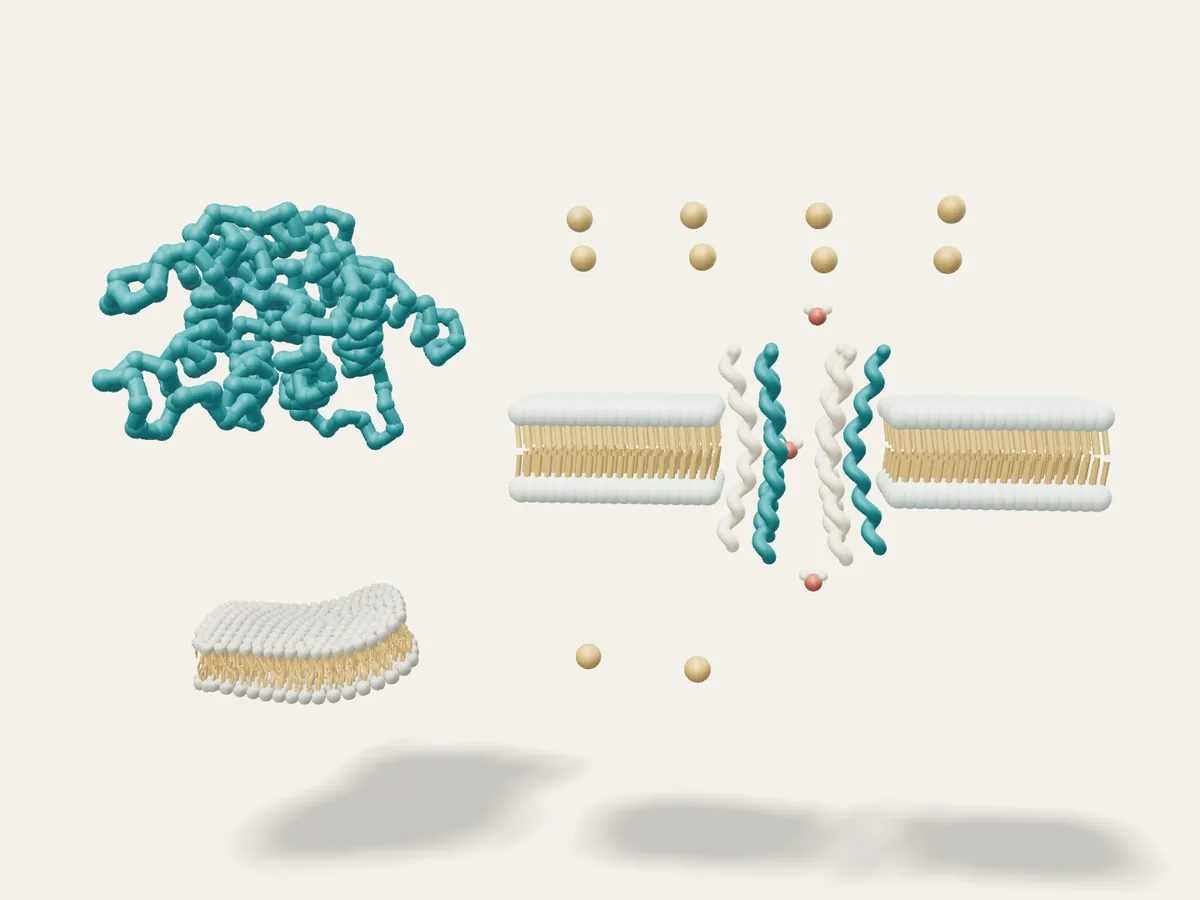
NoteGeneral educational illustration. Colours, sizes and movement are simplified. This is not a scan or a simulation of your body. General information, not personal medical advice: a doctor reads your own results with your history.
Measured in your health assessment and explained by the doctor who reviews your results.