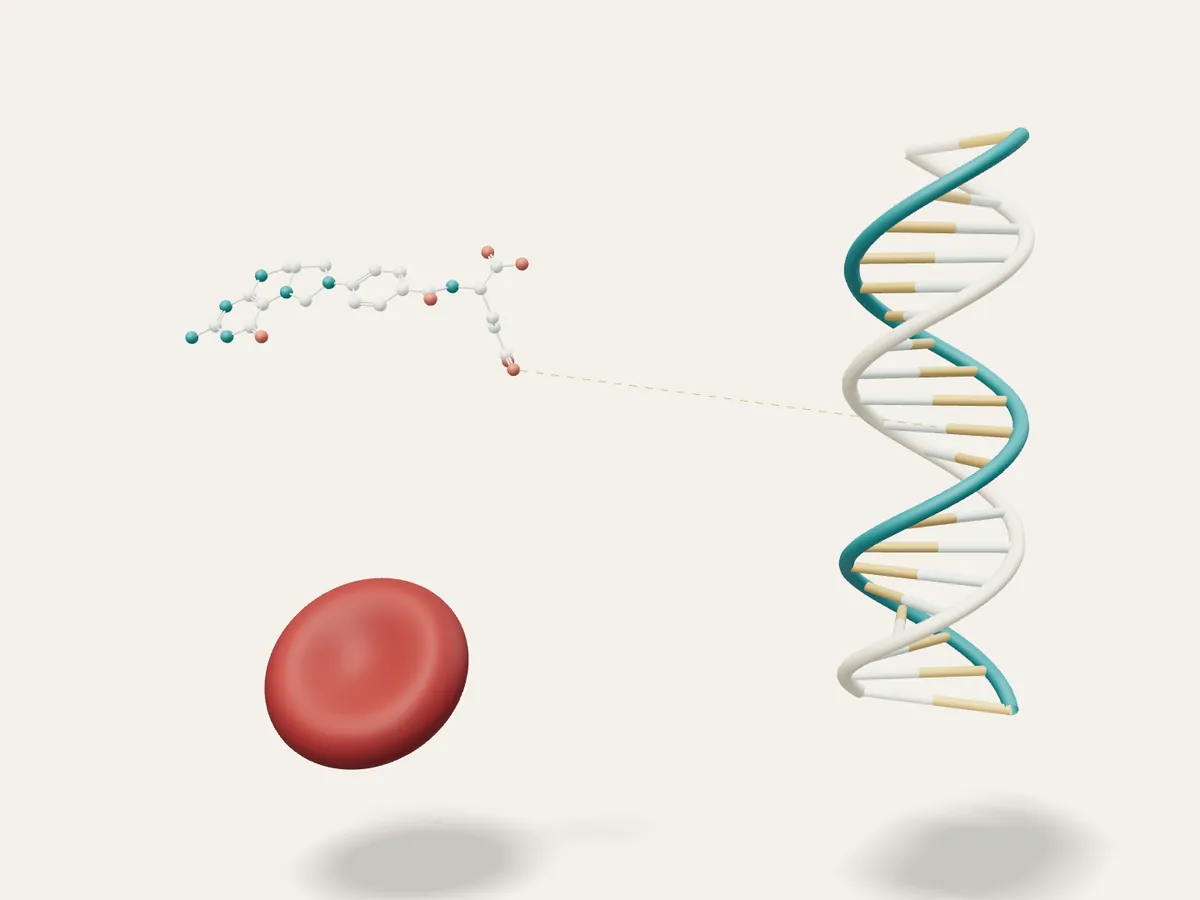
Folate supports DNA and new cell production
Nutritional Health
Folate (vitamin B9) is needed to make DNA and new cells, especially red blood cells and, in pregnancy, the baby's developing spine.
Measured in your health assessment, with a doctor to explain your result. Book yours
Folate supports DNA and new cell production
Your body stores only a few months' worth, so the level reflects your recent diet. Taking folic acid before and in early pregnancy greatly reduces the risk of spina bifida, which is why the UK is adding it to flour.
Low folate can cause anaemia with large red cells and tiredness. It is linked with diets low in vegetables, alcohol, coeliac disease and some medicines, such as methotrexate and some anti-epileptic drugs.
High levels usually reflect supplements or fortified foods and are not harmful in themselves, but plenty of folate can mask a B12 deficiency, so the two are checked together.
Leafy greens, beans, peas, citrus fruit and fortified cereals are good sources. Supplements correct a deficiency, and anyone trying for a baby is advised to take folic acid.
NoteGeneral educational illustration. Colours, sizes and movement are simplified. This is not a scan or a simulation of your body. General information, not personal medical advice: a doctor reads your own results with your history.
Measured in your health assessment and explained by the doctor who reviews your results.