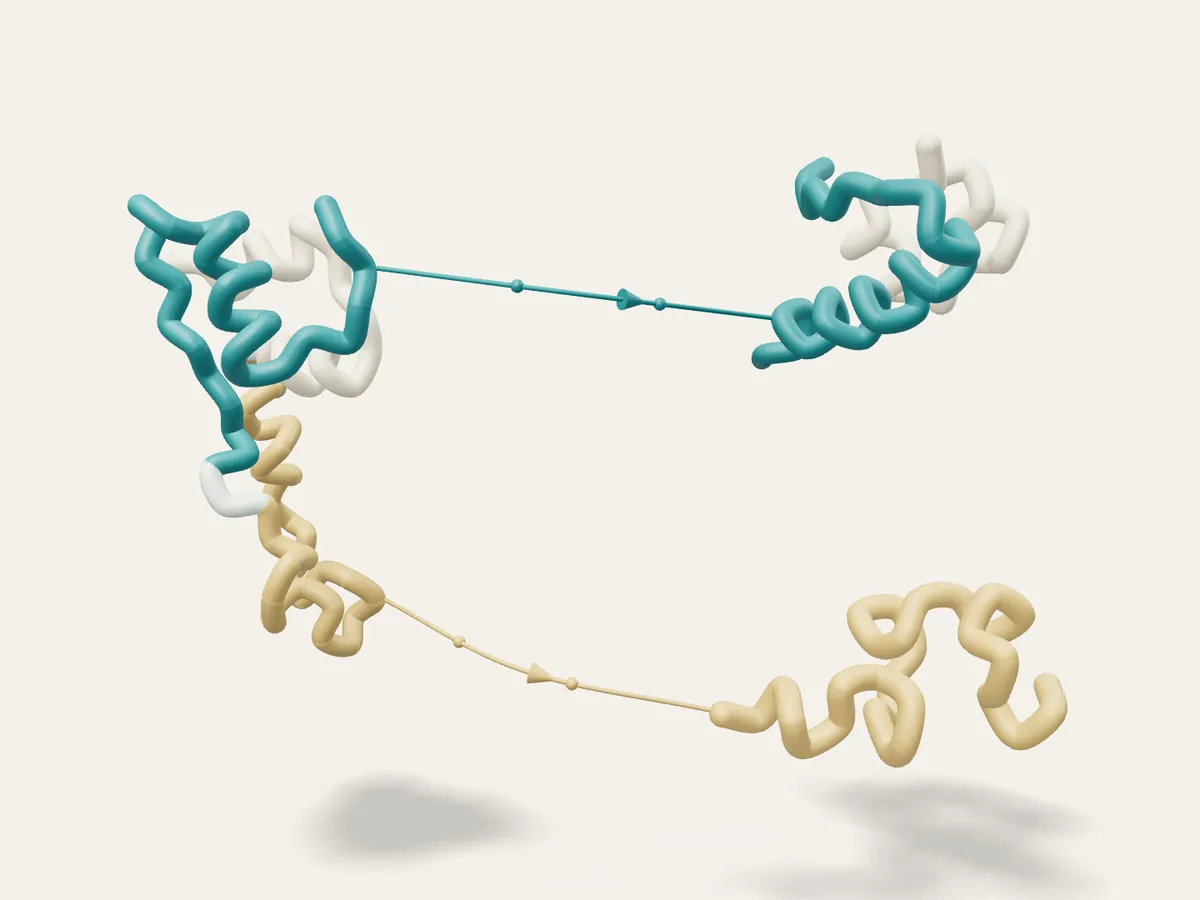
C-peptide and insulin production
Diabetes Health
C-peptide is released in equal amounts with insulin whenever the pancreas makes it, so it shows how much insulin your own body is producing.
Measured in your health assessment, with a doctor to explain your result. Book yours
C-peptide and insulin production
Unlike insulin, it isn't rapidly removed by the liver and isn't present in injected insulin, which makes it a cleaner measure of your own output. It helps tell insulin resistance (high output) apart from a tiring pancreas (low output).
A low C-peptide means the pancreas is making little insulin, as in type 1 diabetes or long-standing type 2 diabetes, and helps doctors choose the right treatment.
A high C-peptide usually reflects insulin resistance, with the pancreas working overtime. Reduced kidney function raises it too, because the kidneys clear it.
Improving insulin sensitivity, through exercise, weight loss and fewer refined carbohydrates, lowers the demand on the pancreas and so brings C-peptide down.
NoteGeneral educational illustration. Colours, sizes and movement are simplified. This is not a scan or a simulation of your body. General information, not personal medical advice: a doctor reads your own results with your history.
Measured in your health assessment and explained by the doctor who reviews your results.