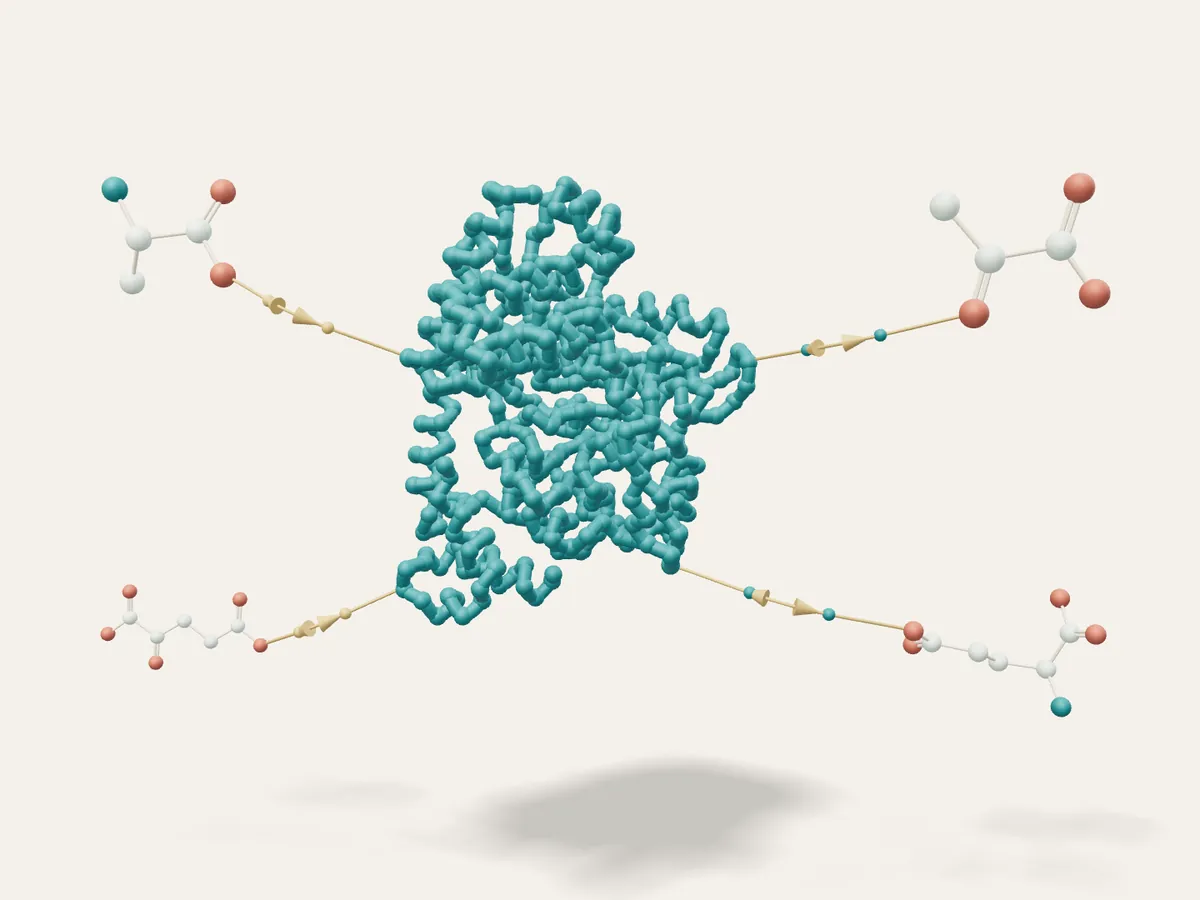
ALT transfers an amino group
Liver Health
ALT (alanine aminotransferase) is an enzyme found mainly inside liver cells, where it helps turn amino acids into energy.
Measured in your health assessment, with a doctor to explain your result. Book yours
ALT transfers an amino group
When liver cells are inflamed or damaged, ALT leaks into the blood, which makes it the most liver-specific of the routine liver enzymes. It is often the first sign of a fatty liver, which is very common and often causes no symptoms.
A low ALT is normal and nothing to worry about.
The commonest cause of a raised ALT is fat building up in the liver (metabolic dysfunction-associated steatotic liver disease), linked with excess weight, insulin resistance and alcohol. Others include viral hepatitis, medicines and supplements, coeliac disease, intense exercise and, rarely, inherited conditions.
Losing 7 to 10% of body weight can substantially reduce liver fat and bring ALT back to normal. Cutting alcohol, sugary drinks and refined carbohydrates and being active all help; if ALT stays raised, doctors review medicines and check for viral and other causes.
NoteGeneral educational illustration. Colours, sizes and movement are simplified. This is not a scan or a simulation of your body. General information, not personal medical advice: a doctor reads your own results with your history.
Measured in your health assessment and explained by the doctor who reviews your results.